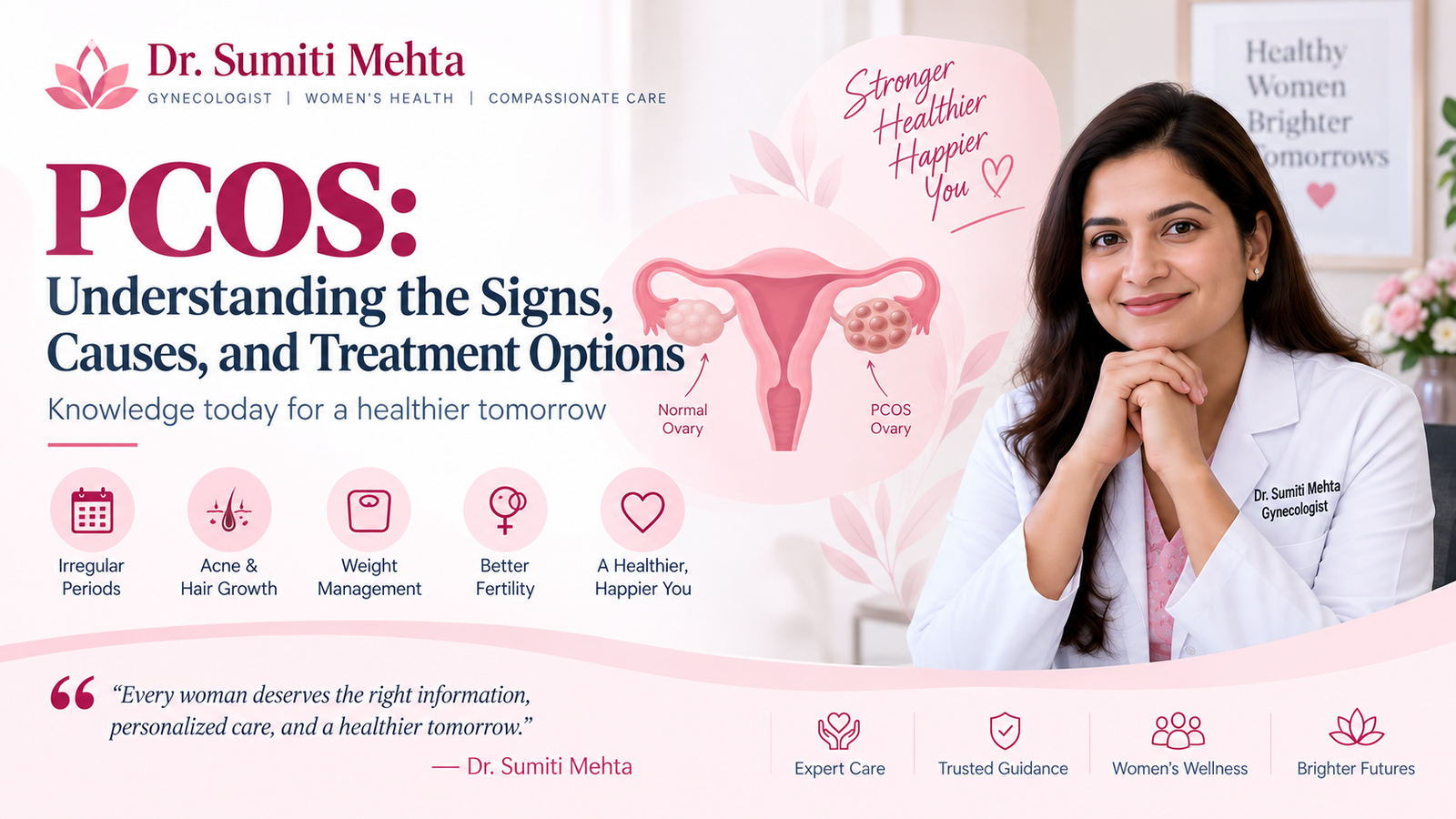

PCOS: Understanding the Signs, Causes, and Treatment Options
Polycystic Ovary Syndrome (PCOS) is one of the most common hormonal disorders affecting women of reproductive age. Millions of women experience PCOS, yet many remain undiagnosed due to a lack of awareness about its symptoms and long-term health effects.
Early diagnosis and proper management can significantly improve quality of life and reduce future health risks.
What is PCOS?
PCOS is a hormonal condition that affects the ovaries and can interfere with normal ovulation. Women with PCOS may have irregular menstrual cycles, elevated levels of male hormones (androgens), and multiple small follicles in the ovaries.
The exact cause of PCOS is not fully understood, but genetics, insulin resistance, and hormonal imbalances are believed to play important roles.
Common Symptoms of PCOS
The symptoms of PCOS can vary from woman to woman. Some of the most common signs include:
Irregular or missed periods
Excess facial or body hair growth
Acne and oily skin
Weight gain or difficulty losing weight
Hair thinning or hair loss
Dark patches of skin around the neck or underarms
Difficulty conceiving
If you notice several of these symptoms, it is advisable to consult a gynecologist for evaluation.
Causes and Risk Factors
Several factors may contribute to PCOS:
1. Insulin Resistance
Many women with PCOS have insulin resistance, which causes the body to produce more insulin. Higher insulin levels can increase androgen production and worsen symptoms.
2. Hormonal Imbalance
An imbalance in reproductive hormones can affect ovulation and menstrual regularity.
3. Family History
Women with a family history of PCOS are more likely to develop the condition.
4. Lifestyle Factors
Lack of physical activity and unhealthy eating habits may increase the severity of symptoms.
How is PCOS Diagnosed?
Diagnosis typically involves:
Medical history review
Physical examination
Blood tests for hormone levels
Ultrasound examination of the ovaries
A comprehensive assessment helps determine the most appropriate treatment plan.
Treatment and Management
Although there is no permanent cure for PCOS, it can be effectively managed through:
Healthy Diet
A balanced diet rich in vegetables, fruits, lean protein, and whole grains helps regulate blood sugar levels and maintain a healthy weight.
Regular Exercise
Physical activity improves insulin sensitivity and supports hormonal balance.
Weight Management
Even a small reduction in body weight can help improve symptoms and menstrual regularity.
Medical Treatment
Depending on individual needs, medications may be recommended to regulate periods, manage symptoms, and support fertility.
Can Women with PCOS Get Pregnant?
Yes. Many women with PCOS successfully conceive with proper medical guidance and lifestyle modifications. Early diagnosis and fertility support can significantly improve pregnancy outcomes.
When Should You See a Doctor?
Consult a gynecologist if you experience:
Irregular menstrual cycles
Unexplained weight gain
Difficulty becoming pregnant
Excessive hair growth
Persistent acne
Hair loss or thinning
Timely treatment can help prevent complications such as diabetes, infertility, and cardiovascular problems.
Final Thoughts
PCOS is a manageable condition, and with the right combination of lifestyle changes and medical care, women can lead healthy and fulfilling lives. Awareness, early diagnosis, and consistent follow-up are key to controlling symptoms and protecting long-term health.
If you have concerns about PCOS or hormonal health, schedule a consultation with Dr. Sumiti Mehta for expert guidance and personalized care.