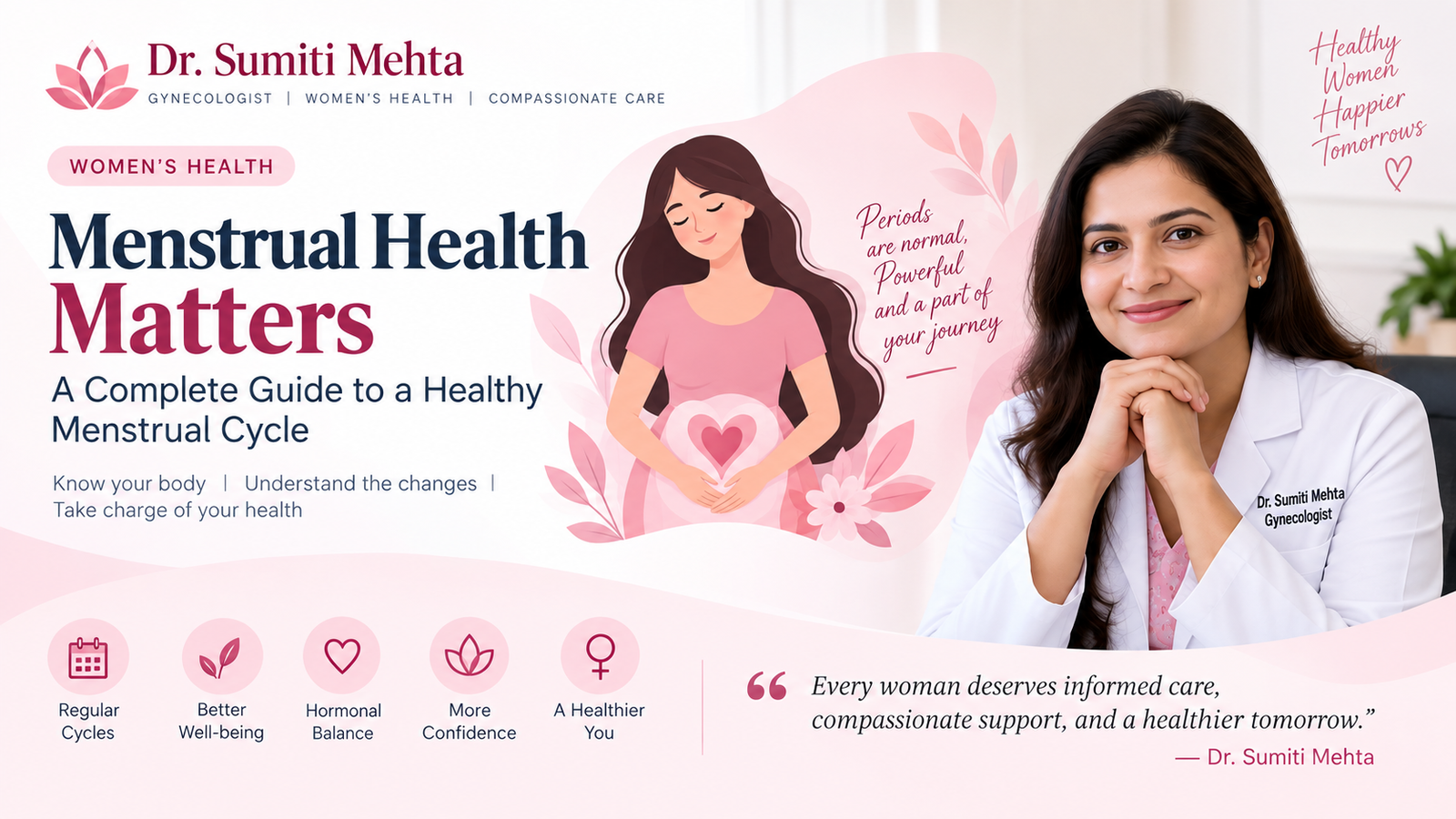

Menstrual Health Matters: A Complete Guide to a Healthy Menstrual Cycle
Menstrual health is an essential part of every woman's overall well-being. Yet many women experience confusion, discomfort, or concerns regarding their menstrual cycle. Understanding your body and recognizing what is normal can help you take better care of your reproductive health and seek medical advice when needed.
Understanding the Menstrual Cycle
The menstrual cycle is a natural process that prepares the body for pregnancy each month. A typical cycle lasts between 21 and 35 days, with menstrual bleeding lasting 2 to 7 days. Hormonal changes regulate this cycle and can affect both physical and emotional health.
While every woman’s cycle is unique, maintaining regular menstrual patterns is often a sign of good reproductive health.
Common Menstrual Problems
Many women experience menstrual issues at some point in their lives. Common concerns include:
Painful periods (Dysmenorrhea)
Heavy menstrual bleeding
Irregular periods
Missed or delayed cycles
Premenstrual Syndrome (PMS)
Mood swings and irritability
Bloating and fatigue
Occasional changes may be normal, but persistent symptoms should not be ignored.
Tips for Maintaining Menstrual Health
1. Eat a Balanced Diet
A nutrient-rich diet supports hormonal balance and overall health. Include:
Green leafy vegetables
Fresh fruits
Whole grains
Iron-rich foods
Adequate protein
2. Stay Physically Active
Regular exercise helps reduce menstrual cramps, improve mood, and maintain a healthy weight.
3. Manage Stress
Stress can affect hormone levels and lead to irregular cycles. Activities such as yoga, meditation, and deep breathing can help manage stress effectively.
4. Get Enough Sleep
Quality sleep supports hormone regulation and helps reduce fatigue associated with menstruation.
5. Track Your Cycle
Using a calendar or period-tracking app can help identify changes in your cycle and provide valuable information during medical consultations.
When Should You Consult a Gynecologist?
You should seek medical advice if you experience:
Extremely painful periods
Heavy bleeding that affects daily activities
Periods lasting longer than seven days
Missed periods without pregnancy
Bleeding between periods
Severe PMS symptoms
Sudden changes in your menstrual cycle
Early diagnosis can help prevent complications and improve quality of life.
The Importance of Regular Gynecological Checkups
Routine gynecological visits play a crucial role in maintaining women's health. Regular checkups help detect hormonal imbalances, reproductive health issues, and other medical conditions at an early stage.
Professional guidance can provide reassurance and help you make informed decisions about your health.
Final Thoughts
Your menstrual cycle is an important indicator of your overall health. Paying attention to changes, maintaining a healthy lifestyle, and seeking timely medical care can help you stay healthy and confident.
If you have concerns about your menstrual health, consult a qualified gynecologist for personalized advice and treatment.
Dr. Sumiti Mehta believes that informed women make healthier choices. Prioritizing your menstrual health today can contribute to a healthier future.