
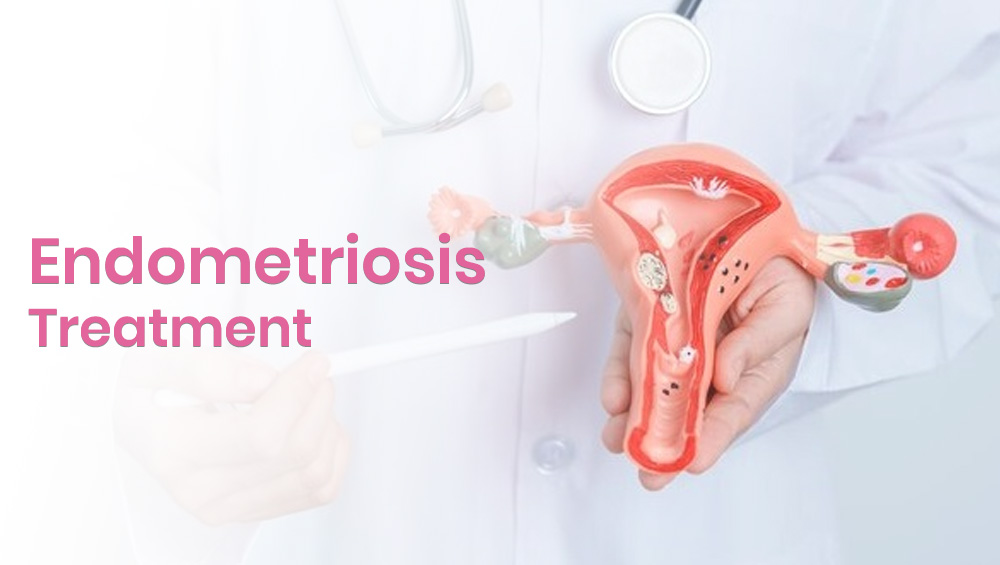
Endometriosis Treatment
Endometriosis is a medical condition where tissue similar to the lining inside the uterus, called the endometrium, grows outside the uterus. This tissue can be found on organs such as the ovaries, fallopian tubes, and the outer surface of the uterus.
During a normal menstrual cycle, the endometrial tissue thickens, breaks down, and sheds as menstrual blood. However, in endometriosis, the misplaced tissue continues to act as it normally would inside the uterus. This can lead to inflammation, scarring, and the formation of adhesions between organs.
Endometriosis can cause symptoms such as pelvic pain, particularly during menstruation, pain during intercourse, heavy menstrual bleeding, infertility, and sometimes bowel or urinary problems. Treatment options vary depending on the severity of symptoms and whether the individual wants to conceive, and may include medication, surgery, or a combination of both.
Surgery for endometriosis serves both diagnostic and treatment purposes, addressing the condition where uterine tissue grows outside the uterus. Treatment options such as laparoscopy and laparotomy are available, tailored to individual circumstances and the severity of the condition for optimal outcomes.
What are the options for endometriosis surgery?
Endometriosis surgery aims to remove the endometriosis tissue, typically through two approaches:
- Laparoscopy: This minimally invasive procedure is commonly used for endometriosis surgery. Skilled surgeons perform laparoscopic surgery by making small incisions in the abdomen to insert a camera (laparoscope) and specialized instruments. Depending on the case, multiple small incisions may be necessary.
- Laparotomy: While less common than laparoscopy, laparotomy is a more invasive open surgery approach. It involves a single large incision across the abdomen instead of multiple small ones. Surgeons may opt for laparotomy in severe cases of endometriosis or when laparoscopy is not feasible.
How can you find out if you have endometriosis?
To find out if you have this condition, Your doctor will begin by conducting a physical examination to assess if you have endometriosis. During this examination, you’ll be asked to describe your symptoms, particularly any pain and its location and timing.
Diagnostic tests for endometriosis may include:
- Pelvic exam: Your healthcare provider will use gloved fingers to feel for abnormalities in your pelvic area, such as cysts, painful areas, nodules, and scars.
- Ultrasound: This imaging test uses sound waves to create pictures of the inside of your body. It may be done externally on the abdomen or internally through the vagina (transvaginal ultrasound) to visualize the reproductive organs and identify endometriomas, cysts associated with endometriosis.
- Magnetic resonance imaging (MRI): MRI scans use magnetic fields and radio waves to produce detailed images of organs and tissues. It can aid in surgical planning by providing your surgeon with precise information about the location and size of endometriosis lesions.
- Laparoscopy: If necessary, your doctor may recommend this minimally invasive surgical procedure to directly visualize and diagnose endometriosis. During laparoscopy, a slender instrument called a laparoscope is inserted through a small incision near the navel. This allows the surgeon to examine the abdomen for endometriosis tissue and possibly perform treatment procedures, such as excision or ablation. Biopsy samples may also be taken for further analysis.
Laparoscopy offers valuable information about the extent, location, and size of endometriosis lesions, and it may enable simultaneous treatment during the procedure, minimizing the need for additional surgeries with proper planning.
How To Treat Endometriosis?
Treatment for endometriosis typically involves medication or surgery, chosen based on symptom severity and fertility goals.
- Initially, over-the-counter pain relievers like ibuprofen or naproxen sodium are recommended for managing painful menstrual cramps.
- Hormone therapy may be prescribed alongside pain medication, using lab-made hormones to regulate the menstrual cycle and reduce endometriosis tissue growth. However, it’s not a permanent solution, and symptoms may return after treatment cessation.
- Hormonal contraceptives such as birth control pills or patches can help control hormones that stimulate endometriosis, potentially alleviating pain and reducing menstrual flow.
- Gonadotropin-releasing hormone (Gn-RH) agonists and antagonists block the menstrual cycle, shrinking endometriosis tissue. However, they induce temporary menopause and may cause side effects like hot flashes and bone loss.
- Progestin therapy, available in various forms like intrauterine devices, contraceptive rods, or birth control shots, can halt menstrual periods and endometriosis tissue growth, offering symptom relief.
- Aromatase inhibitors, combined with progestins or birth control pills, reduce estrogen levels in the body, aiding in endometriosis treatment.
Who needs Endometriosis surgery?
Endometriosis surgery may be recommended by a healthcare provider under various circumstances:
- Chronic or severe pelvic pain persists despite conservative treatments.
- There’s a need to excise areas of endometriosis from the pelvic region to alleviate symptoms and improve quality of life.
- Symptoms remain unmanageable with medication, indicating the potential benefits of surgical intervention.
- Fertility issues are encountered, and surgical correction is deemed necessary to address underlying factors contributing to infertility.
Area Covered
- Normal & Painless Delivery
- High-Risk Pregnancy Care
- Fibroid Treatment
- Laparoscopic Surgery
- Cancer Screening & Vaccination
- PCOS Management
- Family Planning
- Infertility Treatment
- All Gynae Surgeries
- Menstrual Problems
- Exercise Counselling
- Nutrition Counselling
- Menopause Management
- Adolescent Health
- Lab Services: NABL Accredited
EXCELLENTTrustindex verifies that the original source of the review is Google. Highly recommend! Dr Sumiti Mehta is the best best gynaecologist I have ever consulted. She is highly professional, comforting and accurate with her diagnosis and treatment. The care I received from her was exceptional and I am incredibly happy with the results. Thank you doctor!!Posted on GoogleTrustindex verifies that the original source of the review is Google. Dr. Sumiti provided incredible support and reassured throughout the process. Their calm approach, patience, and clear guidance made the entire experience much easier and helped me stay relaxed during a stressful time. Truly grateful for the care and professionalism shown.Posted on GoogleTrustindex verifies that the original source of the review is Google. We are truly grateful to Dr. Sumiti Mehta for supporting us throughout our pregnancy journey. She was very kind, always reachable, and explained everything in clear detail, which gave us a lot of confidence and comfort at every stage. Her guidance and care meant a lot to us, and we always felt we were in safe hands. Highly recommended for expecting parents.Posted on GoogleTrustindex verifies that the original source of the review is Google. Very grateful for the wonderful care throughout my pregnancy and delivery. Doctor was supportive, reassuring, and made the entire journey smooth and comfortable. Thank you for helping bring our little one into the world so smoothly.Posted on GoogleTrustindex verifies that the original source of the review is Google. I just want to thank Dr. Sumiti Mehta from my heart for everything she has done for me during my pregnancy and delivery. She is such a humble and polite doctor. The best thing about her is that she never rushes. She always gives proper time in every visit and listens to all our questions very patiently. Because of her nature, we always felt very comfortable discussing everything openly, without any hesitation. She is very caring and truly concerned about her patients. Her guidance at every step really helped me a lot and made this journey much easier. Because of her support and care, we are blessed with a healthy baby, and I will always be thankful to her for that. I would highly recommend her to anyone looking for a doctor who is not just professional but also very kind and understanding.Posted on GoogleTrustindex verifies that the original source of the review is Google. She makes the patient feel very comfortable and gives dedicated time to hear out the concerns and gives perfect recommendations.Posted on GoogleTrustindex verifies that the original source of the review is Google. Dr. Sumiti is a good doctor. She explains explicitly the process and makes her patient quite comfortable. I highly recommend her consultations.Posted on GoogleTrustindex verifies that the original source of the review is Google. Doctor Sumiti is very polite, she understand the problem and then diagnose. Happy with the services.Posted on GoogleTrustindex verifies that the original source of the review is Google. Cool doc - Nice , Polite and confident . Looking forward for this journey together.Posted on GoogleTrustindex verifies that the original source of the review is Google. Thank you so much dr. Sumiti mam I had a very good experience with the you. They were very polite, attentive, and explained everything clearly. The treatment provided was effective, and I felt comfortable discussing my concerns. I truly appreciate their professionalism and care. Highly recommended.